
18 Indoor Activities for Kids
This post contains affiliate links. If you buy through them we may earn a small commission at no extra cost to you. Read our disclosure.
Quick answer: 18 Indoor Activities for Kids. This guide gives 18 ideas in 4 sections: Build and make; Pretend and perform; Learn without noticing; Slow down. Budget: Under £15 for most. Best for: Ages 4 to 11.
- Time: 15 to 60 minutes each
- Budget: Under £15 for most
- Best for: Ages 4 to 11
A small sock puppet appears from behind the sofa and announces it is going to be the mayor of the living room. That is the sound of a child who has found something to do.
Indoor play works best when it has a purpose. This guide gives you eighteen ideas across building, performing, learning and relaxing, with most of the supplies already in your cupboards.
Top tip: Set a visible timer for each activity. Children often stay longer once they know there is a clear start and finish, and it gives you a natural point to tidy up together.
Build and make
Give hands something to build and you buy yourself a surprising amount of peace.
- Tallest tower challenge: Use cups, books or building blocks and see whose tower stands tallest for ten seconds. Measure with a ruler and record the winner on a chart.
- Straw and tape bridge: Challenge children to build a bridge strong enough to hold a toy car, using only paper straws, tape and scissors with supervision.
- Junk model robots: Boxes, tubes, bottle tops and foil become rather splendid robots. Use a glue gun only for adults; children can use PVA or tape.
- Paper aeroplane contest: Fold, fly and measure. Try three designs and decide which flies furthest, then adjust the wing tips to improve it.
- Pom pom pets: Wind wool around a cardboard ring, tie off and snip with adult help. Add googly eyes for personality.
Pretend and perform
Imaginary play builds confidence and language, and it needs nothing but a bit of space.
- Shop role play: Price tags on tins, a toy till and a shopping basket. Children practise counting money while they sell you beans.
- Home made theatre: Hang a sheet across a doorway, switch on a lamp behind and perform shadow puppets cut from card.
- Dressing up parade: Hats, scarves and old shirts do the job. Ask each child to introduce their character and tell a short story about them.
- Radio show: Record a pretend radio programme on a phone with weather, jokes and a song. Play it back at tea time for the family.
- Picnic on the floor: Spread a blanket, pack a basket of snacks and enjoy lunch. A change of scene makes even a cheese sandwich more exciting.
Learn without noticing
These sneak in a little thinking while looking like pure fun.
- Kitchen scales baking: Weighing flour and sugar is real maths. Let children read the numbers and decide when the bowl is full enough.
- Memory tray game: Place ten items on a tray, cover with a tea towel and remove one. Which has gone? Add more items as skills improve.
- Sock matching sort: Pour out the clean washing pile and match pairs by colour and pattern. It is boring for adults but oddly satisfying for four year olds.
- Mini weather station: Chart the daily weather with stickers and a drawing of the sky. After a week, count how many rainy days you had.
Slow down
End the day with something gentle, and enjoy the peace that follows.
- Origami animals: Start with a simple fish or boat. Online videos and a fold by fold guide help beginners succeed on the first try.
- Gratitude jar: Everyone writes one good thing from the day on a slip of paper. Read them out together at the end of the week.
- Cuddle up quiz: Take turns asking silly questions, like “would you rather be a dolphin or an eagle?”. No equipment, just chat.
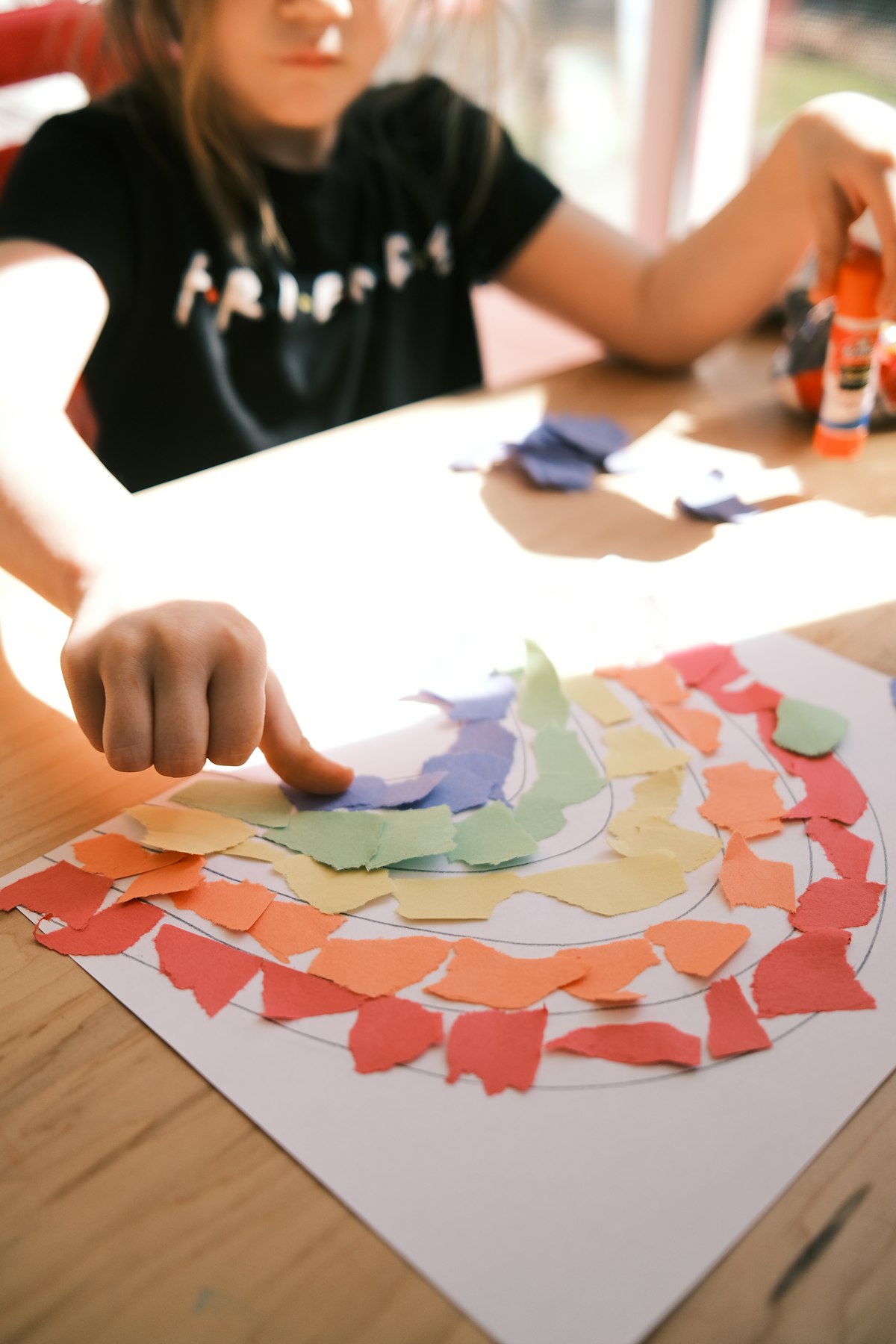
- Sticker mosaic: Cover a page with small round stickers to make a picture. This is a calm, repetitive craft that settles fidgety hands.
Helpful links and further reading
A few trusted places to find out more.
- National Trust: Find gardens, parks and historic places for a day out.
- English Heritage: places to visit: Castles, abbeys and gardens with family events through the year.
- Forestry England: Forest walks, trails and family activities across England.
Frequently asked questions
How do I keep kids busy indoors for a whole day?
Mix active, creative and calm activities, and swap between them every 30 to 45 minutes. A snack break and a bit of fresh air at the window helps.
What are good indoor activities for different ages?
Younger children enjoy sensory play and simple building, while older ones prefer challenges, puzzles and cooking. Let them choose which jobs they take on.
Are these safe for toddlers?
Supervise closely and avoid small parts for under 3s. Always choose age suitable materials and avoid anything that could be swallowed.
More ideas you might like
- Rainy Day Activities for Kids
- Quiet Time Activities for Kids
- Den Building Ideas
- Screen Free Activities for Kids
Get the free Christmas Gift Planner 🦆
A printable gift list, budget table and countdown checklist, free by email.